
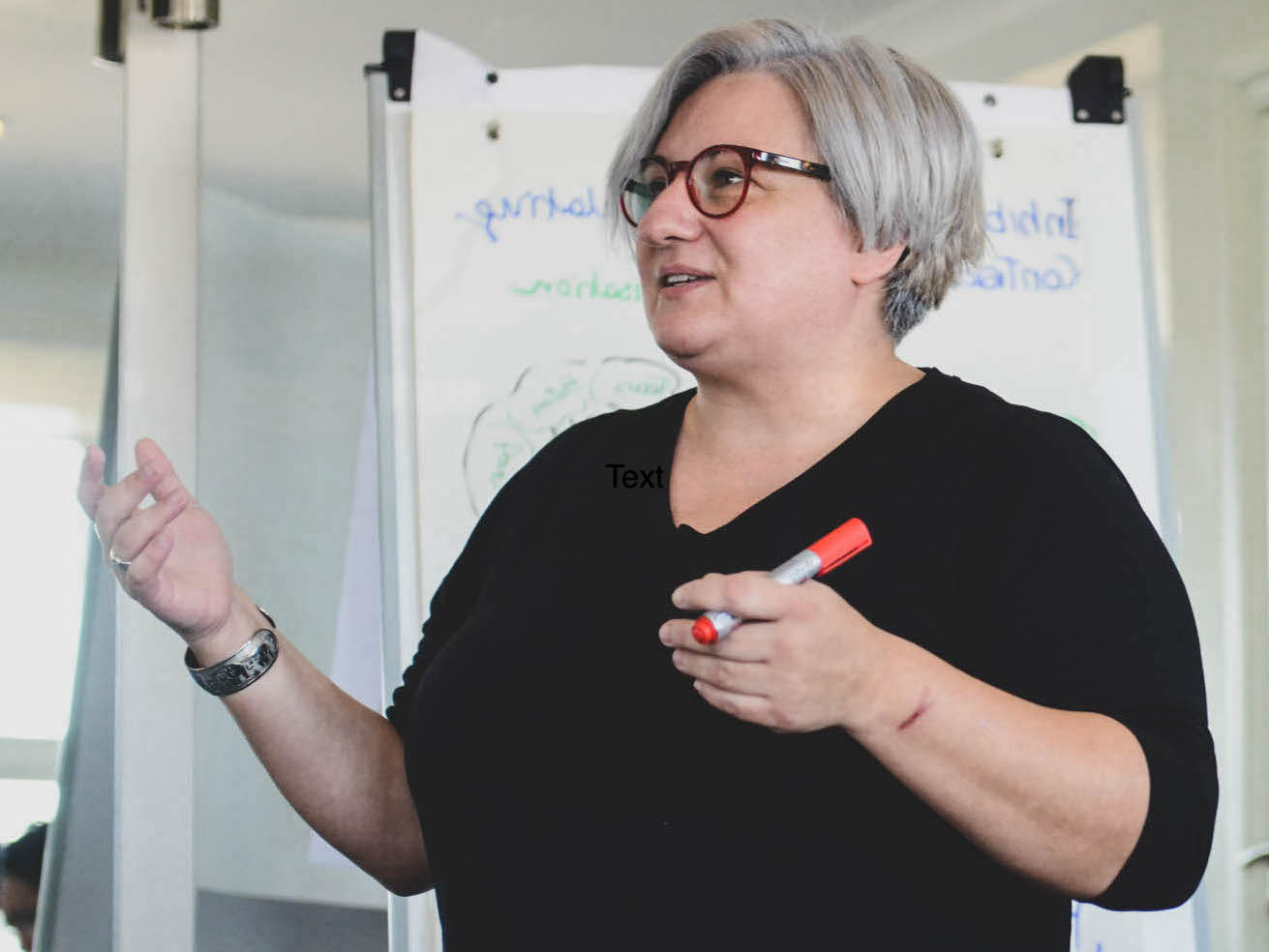
Touch for Coherence of the Embodied Self: Looking at Massage through the lens of (En)Active Inference
The sense of Embodied self emerges from coherence between multi-sensory information; proprioceptive, interoceptive, and exteroceptive signals. Chronic pain disrupts this coherence. The body becomes unfamiliar; we struggle to make sense of what we're experiencing. In this session, Anna Maria will explore the use of touch in therapeutic contexts like massage therapy as a strategy for restoring that coherence. By explaining the framework of (En)Active Inference, she will present how the reliable, coherent sensory experience touch provides can help us make sense of what we expect and what we actually experience. About Anna-Maria Anna Maria Mazzieri is a Soft Tissue Therapist, educator, with over twenty years of experience spanning clinical practice, vocational education, and now embarking in research. Anna Maria collaborates internationally with respected researchers and academics and has co-authored several peer-reviewed publications examining the mechanisms of massage and manual therapy. Her most current publication explored trauma and the therapeutic role of touch-based interventions. In 2025, she started a PhD to investigate touch as facilitator of multisensory integration for embodied selfhood and sense making.
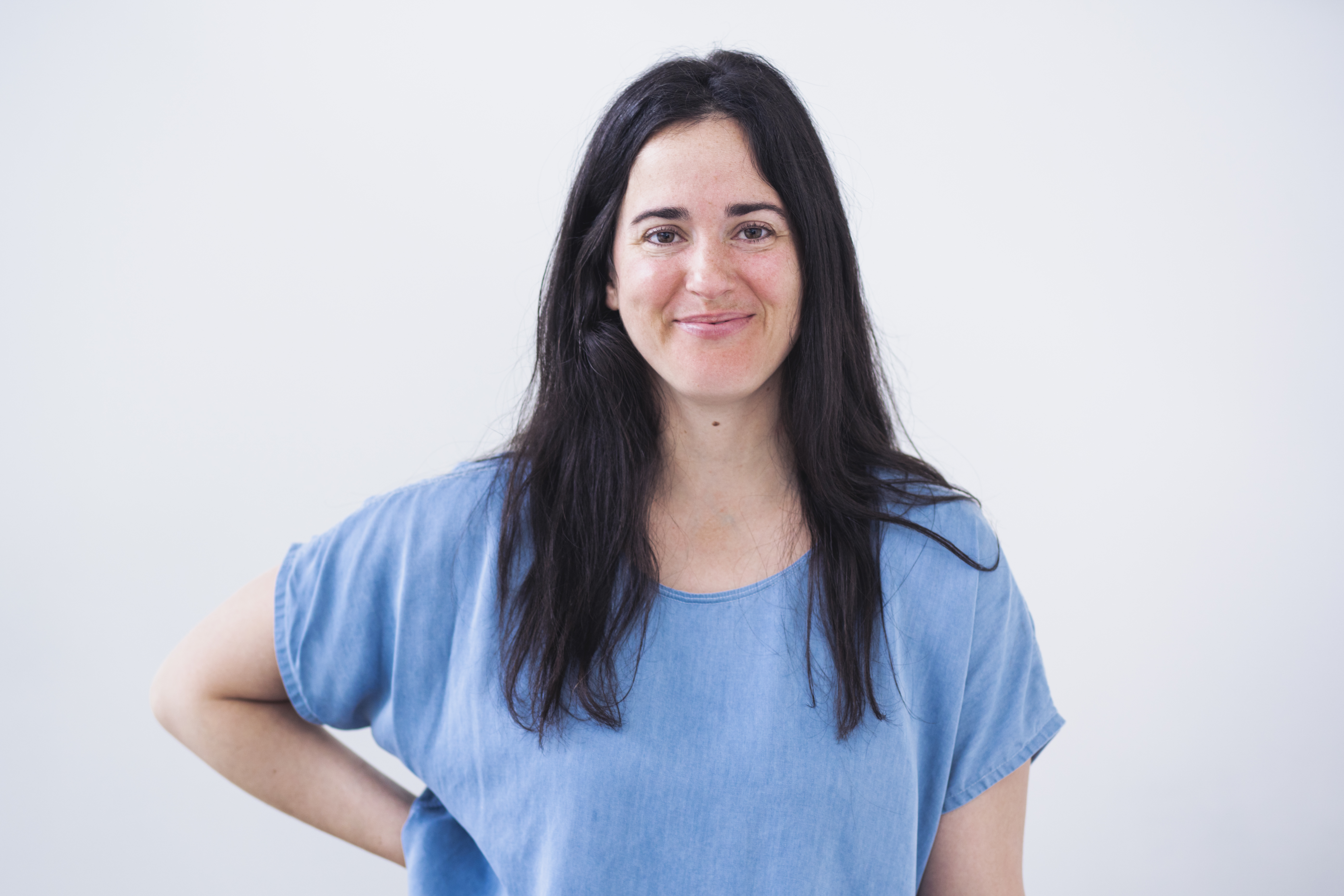
Practicing Pregnancy Massage in an Evidence-Imperfect World
Pregnancy massage is widely practiced and deeply valued by clients, yet the evidence guiding safety, risk, and scope is often incomplete, indirect, or inconsistent. Massage therapists are frequently asked to navigate traditions, cultural practices, and client expectations alongside modern medical caution—without clear or unified guidance. This webinar examines how massage therapists can practice responsibly within this reality. Drawing on current frameworks this session explores how to assess information critically and communicate clearly when uncertainty exists. About Jamie Lynn Jamie Lynn is a seasoned Registered Massage Therapist (RMT) since 2004 and the owner of Sore Spots Massage Therapy in Dartmouth, Nova Scotia. With 22+ years of clinical experience, her work brings together clinical care, clinic leadership and therapist education through her teaching platform, Continuing Kneads. As an educator, Jamie Lynn has been actively teaching massage therapists since 2008. She helps practitioners cultivate sustainable careers and more intuitive, effective treatment skills.
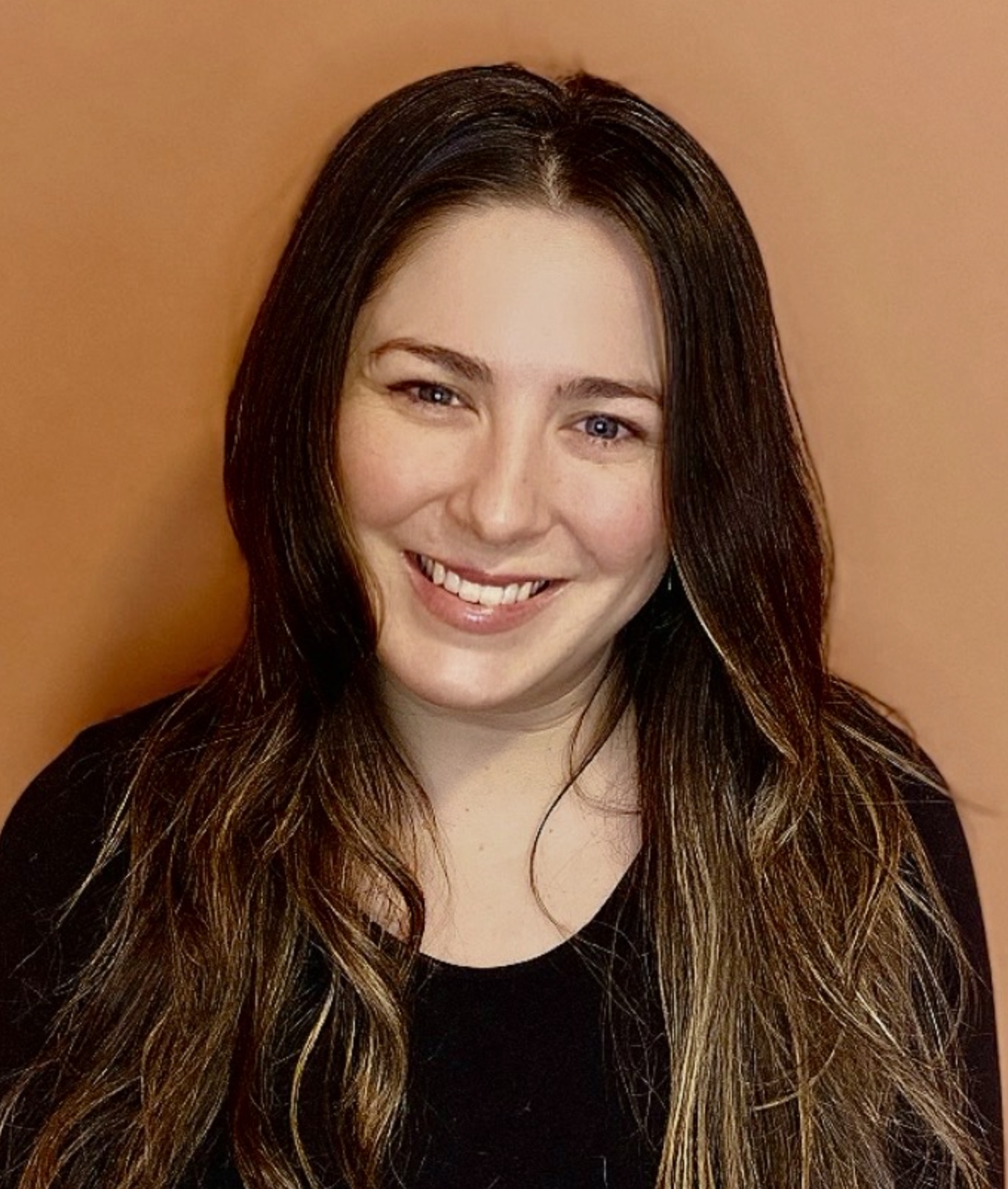
Creating Safe Spaces: Trauma-Informed Care for Massage Therapists
This webinar will help you develop a deeper understanding of trauma through a biopsychosocial lens, recognizing how lived experience can shape a client’s nervous system and therapeutic experience. Learn to apply the five pillars of trauma-informed care to communication, consent, and the creation of safe and respectful spaces. Cultivate strong boundaries, self-awareness, and practitioner well-being to sustain ethical, compassionate care, including practical strategies for navigating vicarious trauma, burnout, and compassion fatigue. About Lauren Lauren is a registered massage therapist with over ten years of clinical experience and more than a decade of focused study in trauma and trauma-informed care. She holds a background in Social Work from the University of St. Thomas, with academic training in Indigenous Studies, Psychology, Sociology, and Social Work, disciplines that strongly inform her approach to education and practice.
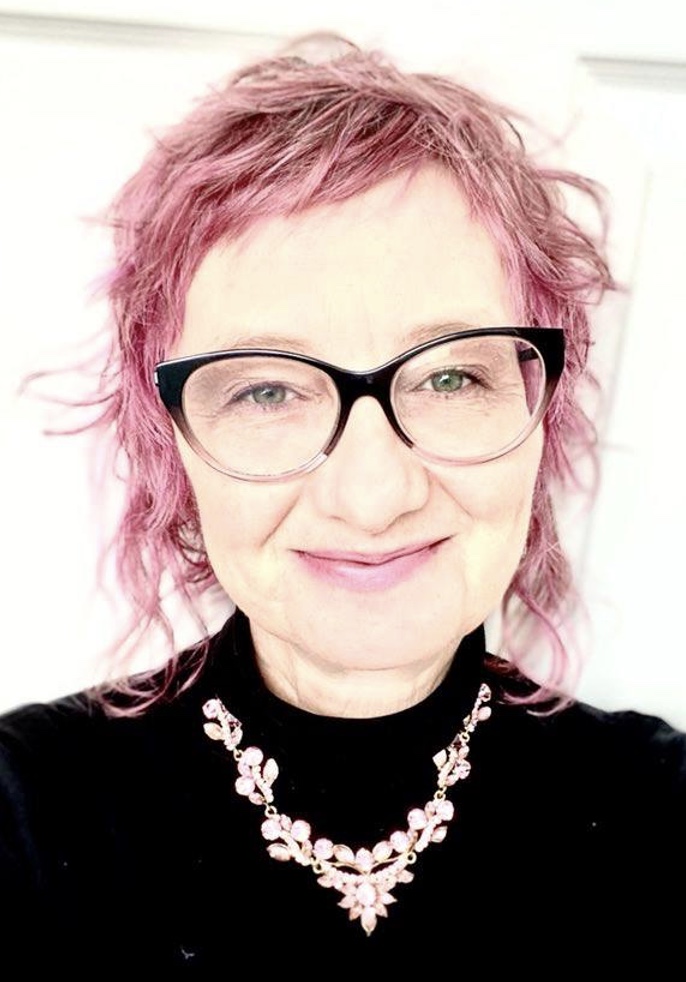
Making A Pain Assessment
Making a pain assessment is founded on a science-based perspective that nociception is necessary for pain. It addresses one aspect of a knowledge gap in pain education and enables learners to develop clinical reasoning for treatment planning based on identifying probable mechanisms of pain for any given presentation. The clinical descriptors of mechanism are reviewed and a framework for a pain assessment that can be integrated within clinical note-taking is provided. About Monica Monica is an educator, researcher, and practitioner. She is passionate about advancing education in MSK fields, specifically in areas of critical thinking and basic science knowledge of mechanisms and management of pain. She teaches a Philosophy and Science of Pain course for an Honours Bachelor program, a first for undergraduate pain education in the MSK field. She has a tuxedo cat who is absolutely adorable and loves belly rubs.
.jpg)
Best Practices: Lower Back and Pelvic Pain
This webinar will help you to integrate current best evidence for treating painful conditions of the lower back and pelvic regions. We will cover risk factors, comorbidities and the prognosis for the majority of clinical presentations. You will learn how to simplify your assessment and observe some movement and hands-on treatment ideas. About Eric Eric brings over 20 years of clinical experience, a masters degree in rehabilitation science, and over a decade of knowledge in evidence-based pain education. He has combined this information to provide you a practical educational experience in the treatment and management of lower back and pelvic pain conditions. When not working, Eric can be found on a local soccer field where he is one of the staff coaches with Gorge FC.
Schedule of Events Times listed are Pacific Time
900 - 1000 Touch for Coherence of the Embodied Self: Massage Through the Lens of (En)Active Inference 1015 - 1115 Practicing Pregnancy Massage in an Evidence-Imperfect World 1130 - 1230 Creating Safe Spaces: Trauma-Informed Care for Massage Therapists 1245 - 1345 Making A Pain Assessment 1400 - 1500 Best Practices: Lower Back and Pelvic Pain
Continuing Education Credits
This conference is approved for credits with the following Colleges and Associations. If your College or Association is not listed here please email, [email protected] and we will make sure to get an approval in for you. BC - Standards of Practice requirements met MTAA - 5 PD credits NHPC - 5 CECs CMMOTA - 5 CECs MTAS - 5 Primary credits MTAM - 5 CECs Ontario - STRiVE requirements for Communicate Effectively, Function in a Client Centred Manner, Practice in a Manner Consistent with Current Developments, Use an Evidence Informed Approach MTANS - 2.5 CEUs CMTNB - 2.5 CEUs CMTNL - 2.5 CEUs MTWPAM - 5 Primary CEUs
JOIN US ONLINE FOR THIS DAY OF EVIDENCE BASED KNOWLEDGE
If you cannot attend live, do not worry, it is recorded and all who register will get access to the recording.
$150.00